The copper network was never designed for this
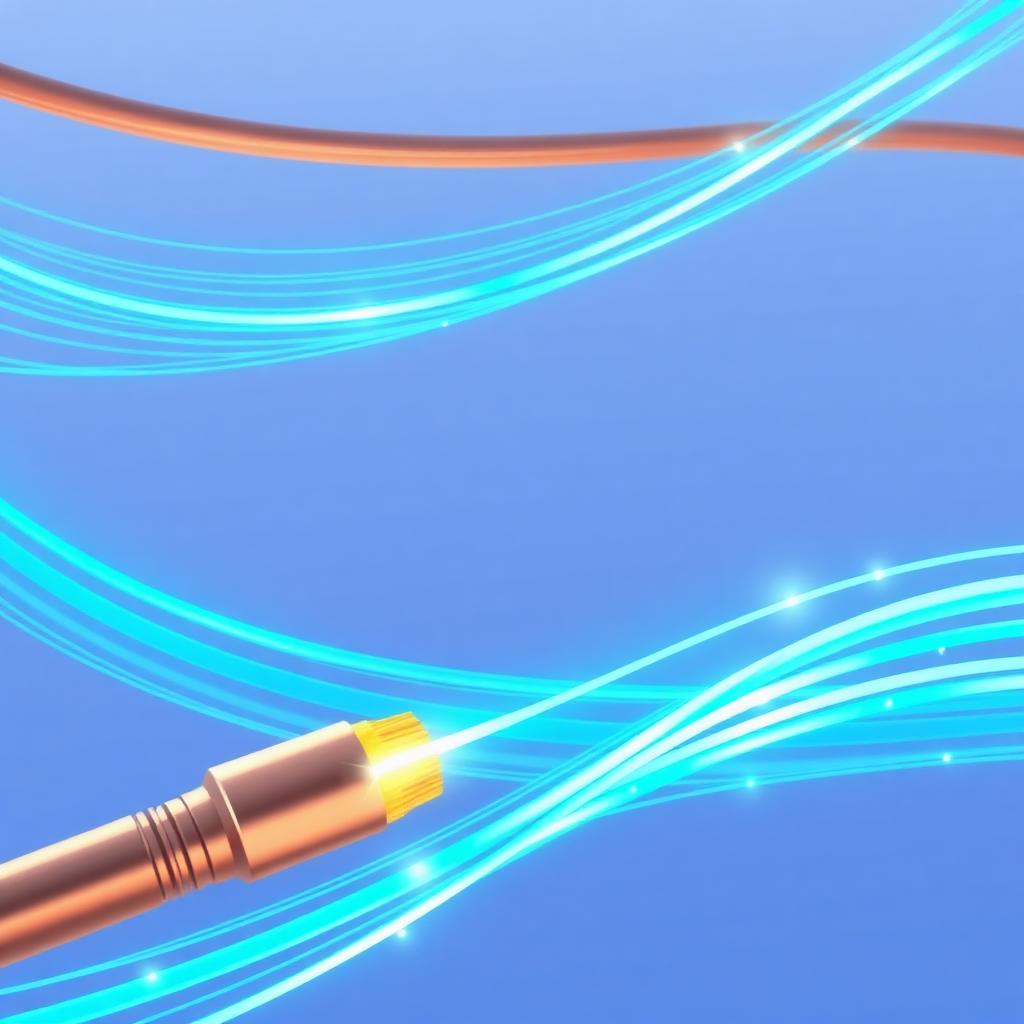
Your existing analogue lines were built to carry voice as an electrical signal down a pair of copper wires. It works, but it is expensive to maintain, easy to disrupt, and impossible to extend with modern features like presence, video or AI transcription.
What IP-based lines give you
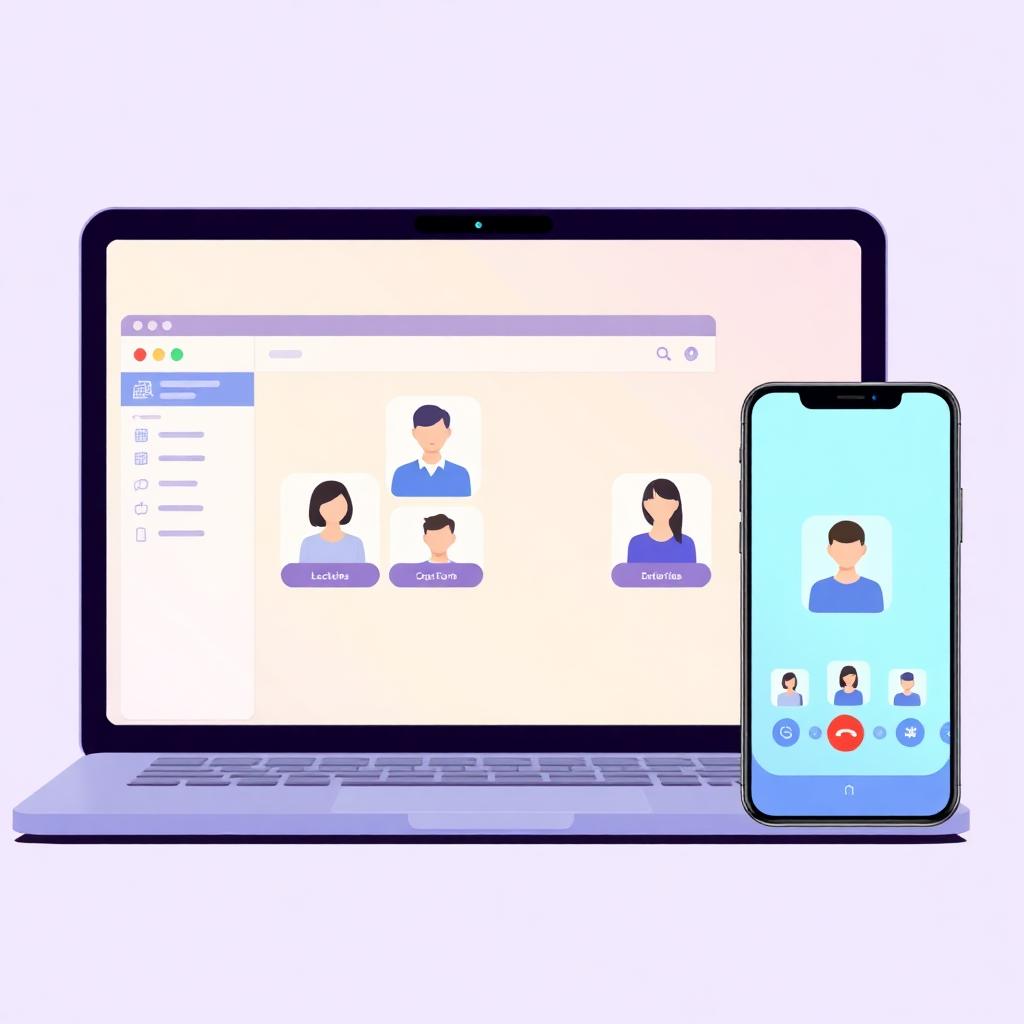
- Voice as data - the same connection carries calls, chat, video and files.
- Any device, anywhere - a desk phone, laptop softphone and mobile app all ring together.
- HD audio - clearer conversations, especially over headsets.
- Instant scaling - add or remove users in minutes, no engineer visit required.
Broadband options after the switch
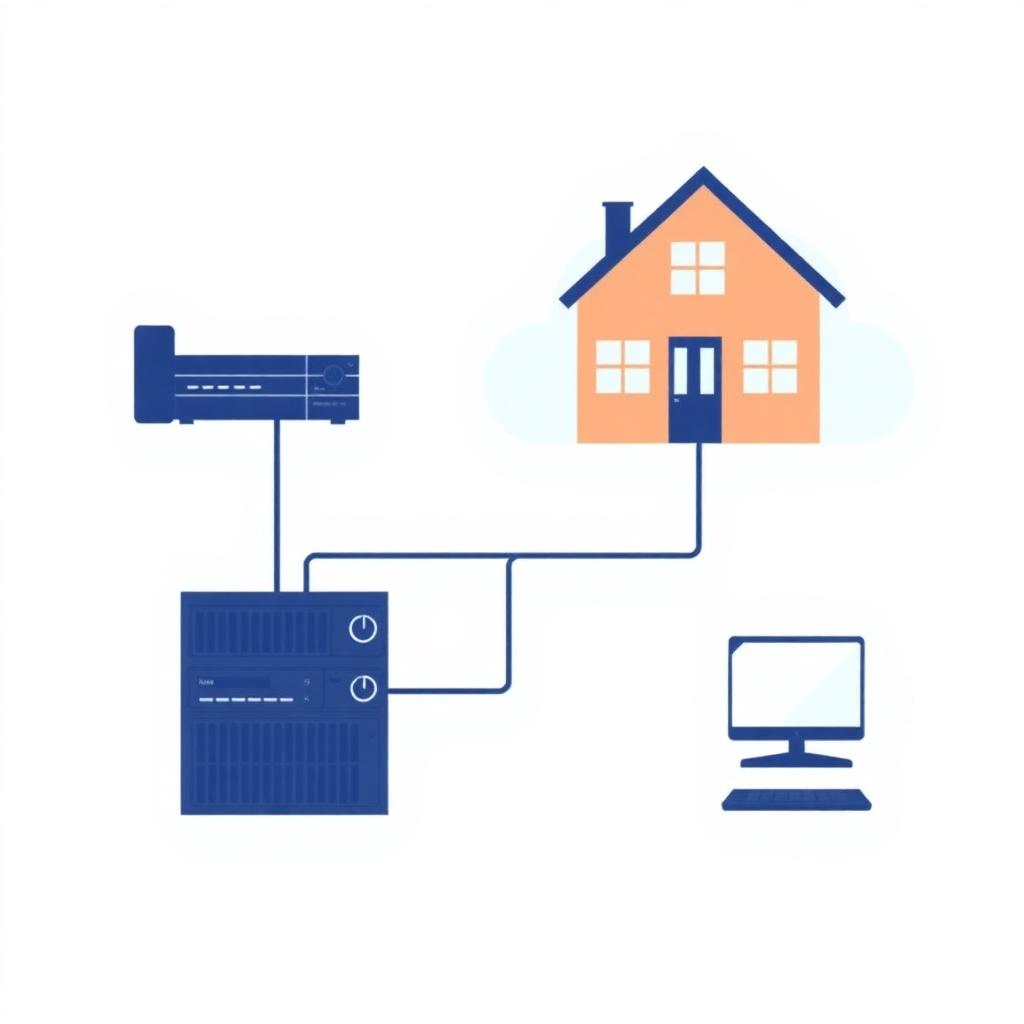
Because voice and broadband have historically shared the copper pair, retiring the phone line means rethinking your connection:
- SoGEA - fibre-to-the-cabinet broadband without a phone line. A drop-in replacement for most SMEs.
- FTTP - full fibre to your premises. Faster, more reliable, and future-proof.
- Ethernet leased line - a dedicated, uncontended connection for larger sites or contact centres.
Not sure which fits? Book a 15-minute call and we will size the right connection for your building.